

Should We Trust Influencers?
How to Tell if an Influencer Actually Believes in What They’re Selling

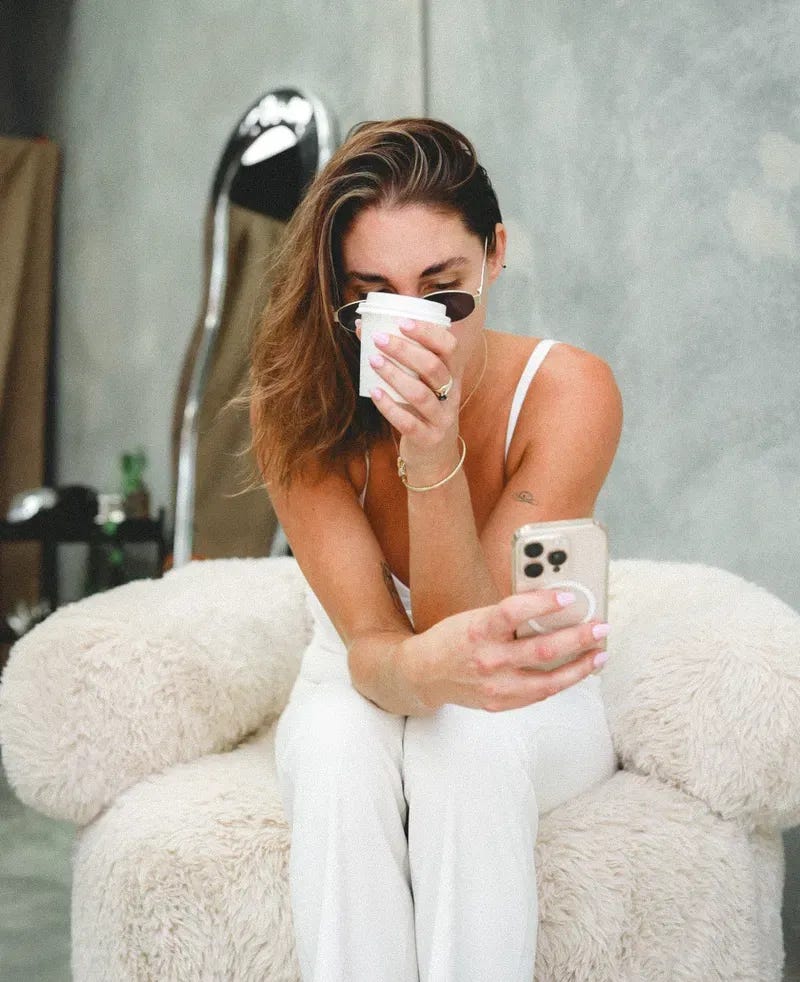
We live in a world where the line between recommendation and advertisement is blurrier than ever. Influencers can post a “casual” photo of their morning coffee, and somewhere in the fine print, you’ll spot: paid partnership. Or maybe you won’t spot it at all.
That’s the tricky part. On social media, authenticity and marketing have fused together. So how do you know when someone truly loves what they’re recommending versus when they’re just cashing a check?
Let’s get into it.
First, it’s important to recognize that not all paid content is bad. Sometimes influencers discover a product, fall in love with it, and later get paid to share what they already use. Other times, they accept a brand deal for something they’ve barely touched. The difference is subtle, but noticeable if you know what to look for.
Plus, that’s how many influencers became influencers in the first place. They had great taste in fashion or food, or they did the research on how to live a healthier, low-tox lifestyle and knew what ingredients to look out for (like me). They made genuine recommendations, people started paying attention, and that trust built a community. Eventually, brands noticed the way we were authentically sharing and wanted to partner. That’s how collaborations can begin, not as forced ads but as recognition of the real value we’ve been giving all along. And yes, compensation for our work is not only fair but necessary.
They started by sharing, not selling: Many real influencers began by recommending things they personally loved, such as fashion pieces, recipes, or non-toxic swaps. Not because they were paid, but because they wanted to share what worked. That authenticity built trust long before brands came knocking. If you aren’t an OG follower and have only recently discovered them, you can scroll back and see if their previous content aligns with what they’re sharing now.
Consistency across time: Do they talk about the product before and after the sponsorship? Or does it only pop up during a paid campaign? Real users weave products into their daily lives naturally. For example, I love the supplement brand, Seeking Health. I have organically talked about them a handful of times on my platforms. The company took notice and offered to do a paid partnership for a reel (eee!). After that reel, I continued to talk about them, even though I wasn’t paid. Another example: I didn’t know what Pulsetto was until they approached me to do a paid partnership. I was interested, but I did not immediately post a paid reel with them because I wanted to test them out for myself first. After 2 months of genuinely loving the results, I proceeded with the partnership and still talk about how much the device helps me to this day! However, if you come across a paid partnership with an influencer that appears and then disappears without further mention, it raises more skepticism (it could’ve been genuine, but we can’t know for sure).
Personal storytelling: Genuine recommendations come with anecdotes like “I started using this during my postpartum recovery” or “this replaced something that was irritating my skin.” Ads without depth sound like a script.
Nuance and caveats: Someone who really uses a product might say, “Castor oil is thick, so I like to cut it with jojoba oil when applying to my face,” or “the Jaspr air scrubber is not cheap, but it lasts forever.” Advertisers rarely allow imperfection. They are just saying how amazing and obsessed they are with the product (I’m guilty of using these words, too, lol).
Alignment with their values: Does the product make sense in the context of what they usually talk about? If a low-tox advocate suddenly promotes Diet Coke, that is, obviously, a red flag.
Frequency and integration: Real fans show, they do not just tell. You will catch the product in the background of stories, routines, or Q&As, not only in polished campaign posts.
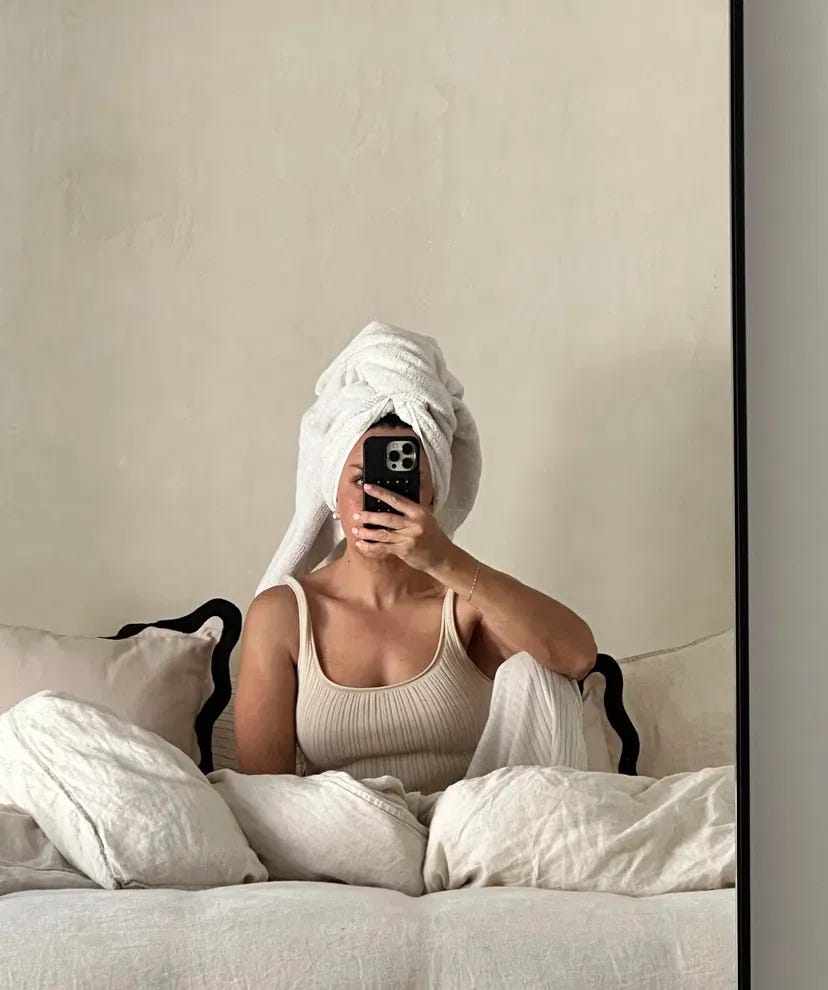
It is also true that some influencers start out with the best intentions. They build a following because they had great style, shared helpful tips, or poured their energy into teaching people how to live a healthier life. Initially, they only recommended products they genuinely believed in.
But once the sponsorships and money start rolling in, something shifts. The values that made them trustworthy can get pushed aside. Suddenly, products they once would have questioned or even spoken out against are popping on their feeds with glowing captions.
This is where many people lose trust in influencers altogether. Because when someone abandons the standards that built their credibility in the first place, it is obvious. The recommendations feel hollow, and the relationship with their audience starts to fray.
That is why it is not enough to just start genuine, you have to stay genuine. Protecting your integrity matters more than any brand deal, because once people sense you have sold out, it is almost impossible to earn back their trust.
For me, authenticity is non-negotiable. I will never recommend something I would not use myself or share with a friend. Whether it is a supplement, a skincare product, or a book, my guiding principle is simple: if I would not put it on my own shelf, it does not belong on yours.
That said, here is something many people do not realize. Even when I have genuinely loved and recommended a product, companies can (and often do) change their formulas. And they do not make announcements about it. A skincare product I once trusted can quietly add toxic preservatives or cheap fillers a year later. That is not something I can always know in real time, because ingredients can change as often as the company decides.
Which means this: you cannot blindly trust anyone, not even me. Always read the back. Even if you have purchased a product 50 times before, check the label again.
Something I have noticed (and other creators talk about this too) is that some people will purposefully avoid using an influencer’s link or code just so the influencer does not get a commission.
Let’s call that what it is: exploitative.
You are taking someone’s research, time, and energy, all the free content they built to help you, and then deliberately cutting them out of any acknowledgment or compensation. That is using someone else’s labor while making sure they get nothing back.
It is like going to a restaurant, having a server walk you through the menu and give you the perfect recommendation, then telling the manager, “Make sure they do not get their tip.” Or hiring a contractor to build you a deck, enjoying it every single day, and insisting, “I will use it, but I do not want them to get paid.”
For many creators, this is not just a pastime. It is their livelihood. Behind every “simple” product recommendation are hours of work, researching, testing, editing, and educating. Affiliate links and codes are one of the only ways that work gets compensated. Using them does not cost you more. Often, it saves you money. What it really does is keep the cycle of honest, valuable content alive.

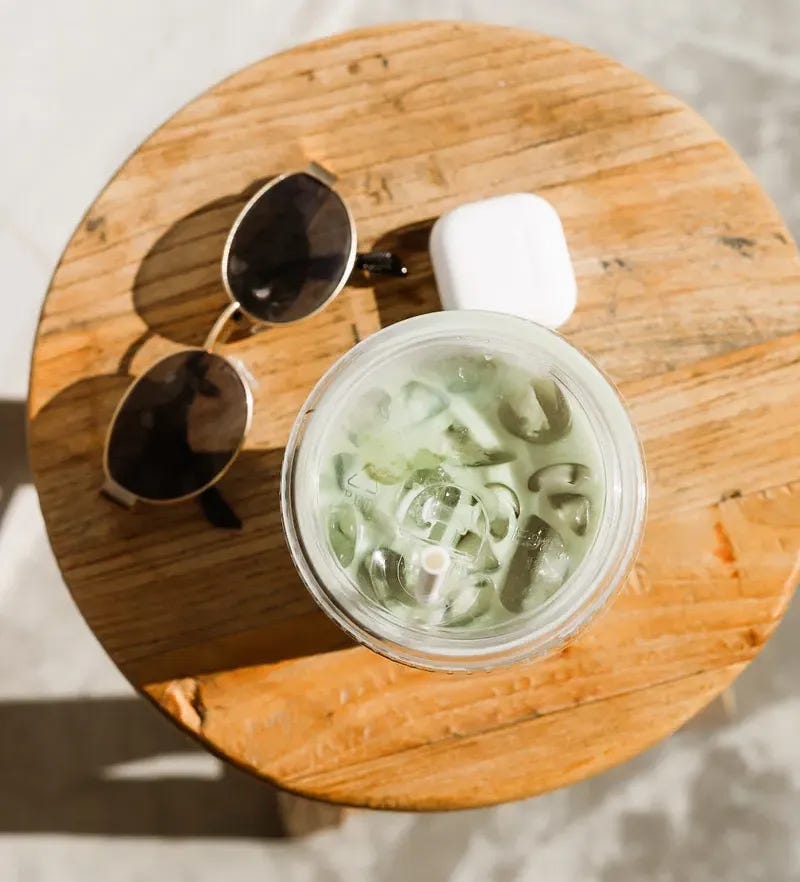
Influencers shape purchasing decisions more than TV commercials ever did. And when you follow someone because you trust them, their recommendations can bypass your usual skepticism. That trust is valuable, which is exactly why brands want to buy it.
But real trust cannot be purchased. You feel it when someone is sharing because they want to, not because they have to.
Stay alert to formula changes: Re-check ingredients on products you buy regularly.
Look for alignment: Does this influencer’s recommendation make sense with their lifestyle and values?
Notice depth: Do they share specifics, or is it all surface-level praise?
Use the link: If you decide to buy, support the person who put it on your radar.
Trust your gut: If something feels off, it probably is.
If you are in this space, please hear me on this: stop accepting money for things you would never actually use or recommend. Every time you post something disingenuous, you are giving the rest of us a bad reputation and eroding the trust we have worked hard to build.
This industry does not need more smoke and mirrors. People are tired of being sold to. They want real. They want honest. They want to feel like they can trust you, not like you will sell them whatever is on your desk that day.
Be real. Protect your integrity. Because once you lose trust, it is almost impossible to get it back.
Over to you! — Have you ever trusted an influencer recommendation only to discover the product was not what it seemed, or that the brand quietly changed it? And on the flip side, who are the creators you would trust with your credit card on file?

My math teacher is the best